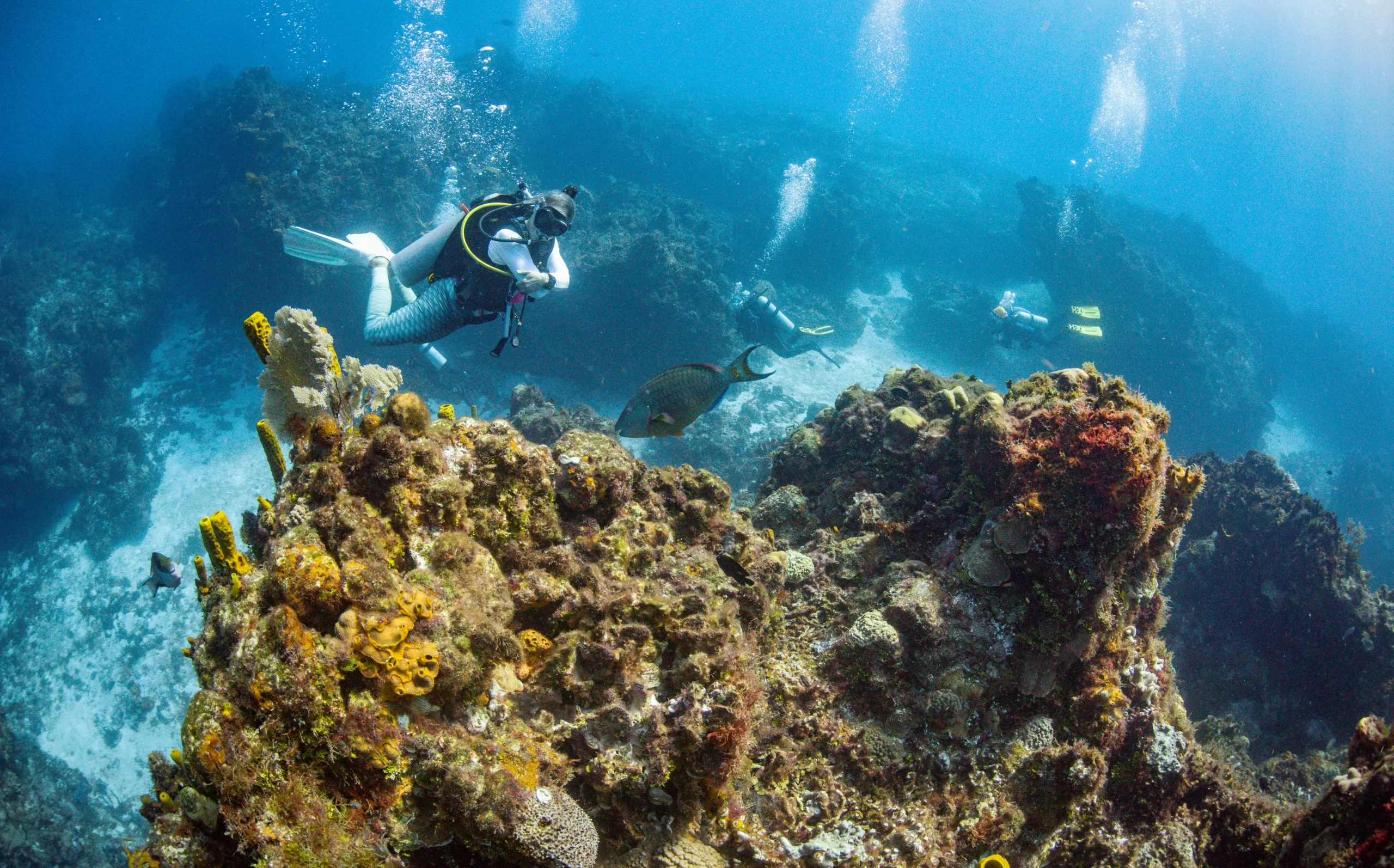
Scuba diving contributes between USD 8.5 billion and USD 20.4 billion annually to the global economy, and supports up to 124,000 jobs across 170 countries — offering a major economic incentive for marine-conservation initiatives. Institute for the Oceans and Fisheries+1
An international study (part of the Atlas Acuatica project under the UN Decade of Ocean Science for Sustainable Development) highlights that scuba diving is uniquely dependent on healthy marine ecosystems, making divers natural allies of conservation. Scripps Institution of Oceanography
By choosing to dive responsibly with us, you’re supporting an industry that not only brings joy and adventure — but real economic and ecological value to coastal communities and marine protection efforts.
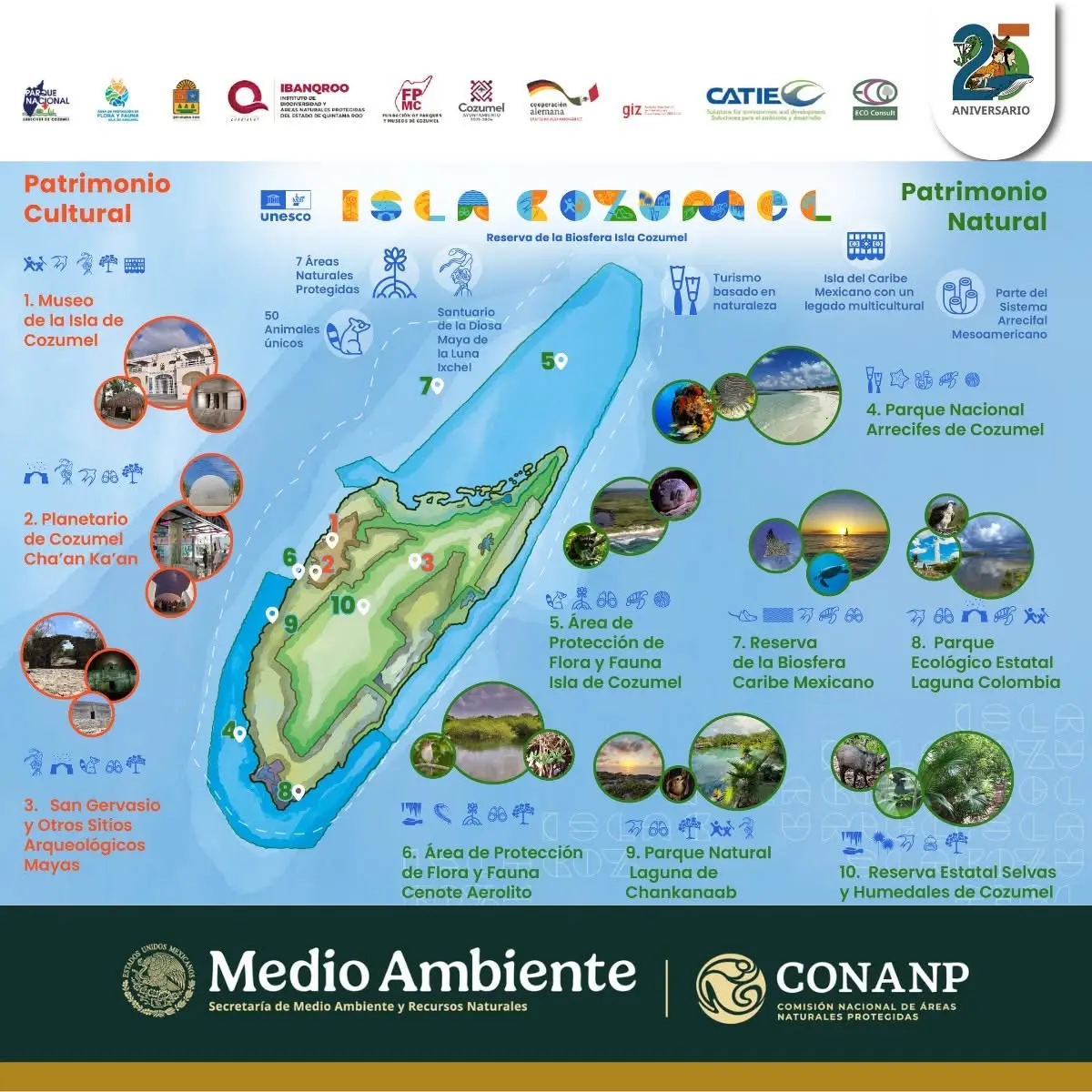
Cozumel Island is home to keystone species and endangered species such as hammer-head sharks, black-tip reef sharks, elkhorn coral (protected under Mexico’s NOM 059), and keystone ecosystems like mangroves, coastal dunes and reef systems.
The island’s world-renowned dive sites are mostly located within the protected zone known as the Parque Nacional Arrecifes de Cozumel (PNAC) — on the southernmost tip of the island.
Inside the park you’ll find an amazing variety of marine life: Mayan octopus, Caribbean lobster, green and hawksbill turtles (that nest on the beaches), nurse sharks, large groupers, species like parrotfish now under threat, and the unique Cozumel splendid toadfish. You’ll also encounter majestic elkhorn and brain corals, colourful surreal sponges and even invasive lionfish. Dive in and you’ll be immersed in a life-filled underwater sanctuary of vivid colour and sacred ocean habitats.
This conservation area lies within the vast MAR or Mesoamerican Barrier Reef System (also called the Great Mayan Reef) — the second-largest barrier reef system in the world and the largest in the Atlantic. It stretches over 625 miles (1,006 km) along the coasts of Mexico, Guatemala, Belize, Honduras. The crystal turquoise waters (often 100 ft+ visibility), rich biodiversity and grand coral formations make Cozumel a “must dive” destination for snorkelers and divers alike.
But these reefs do more than look beautiful — they are vital for the planet: serving as a genetic library, providing food sources, regulating water and climate, buffering storms and hurricanes, and supporting local economies. By protecting them, we help safeguard human resilience: coastal-marine ecosystems can reduce vulnerability by up to 65%.
At Sub Culture we are committed to the health and wellbeing of ecosystems and humans alike. We recognize the deep interconnectedness of communities, economies and ocean health. When you dive with us, it’s not just an adventure — it’s also an act of stewardship. We know that if reef degradation continues, over 12% of tourists might stop visiting Cozumel — risking a tourism-related loss of more than USD 83 million per year. We believe we can make a difference together. We feel privileged to serve as guardians of these waters. We hope your experience with us will change your perspective — that your holiday, your dive and your choices contribute to the health of the oceans and our planet.
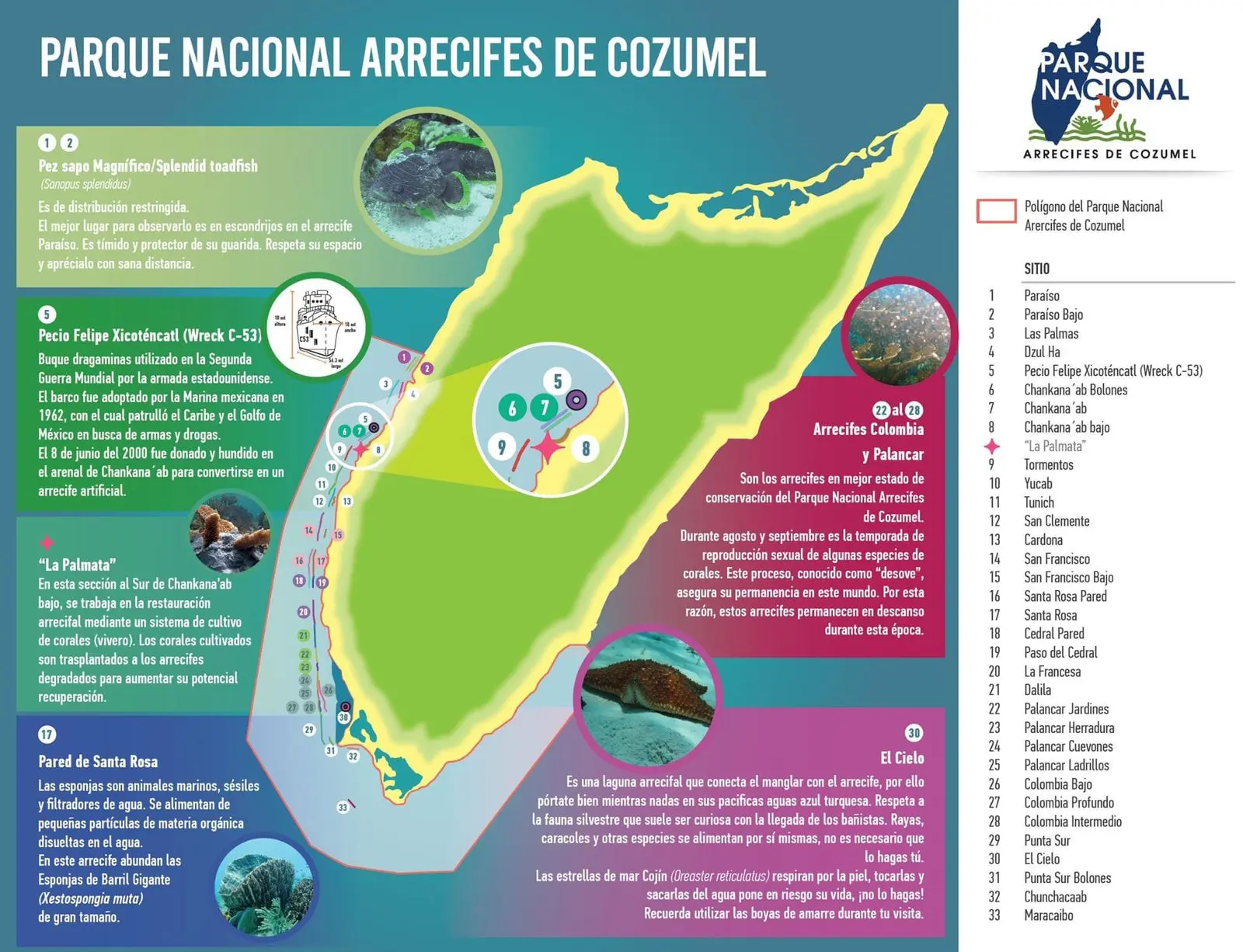
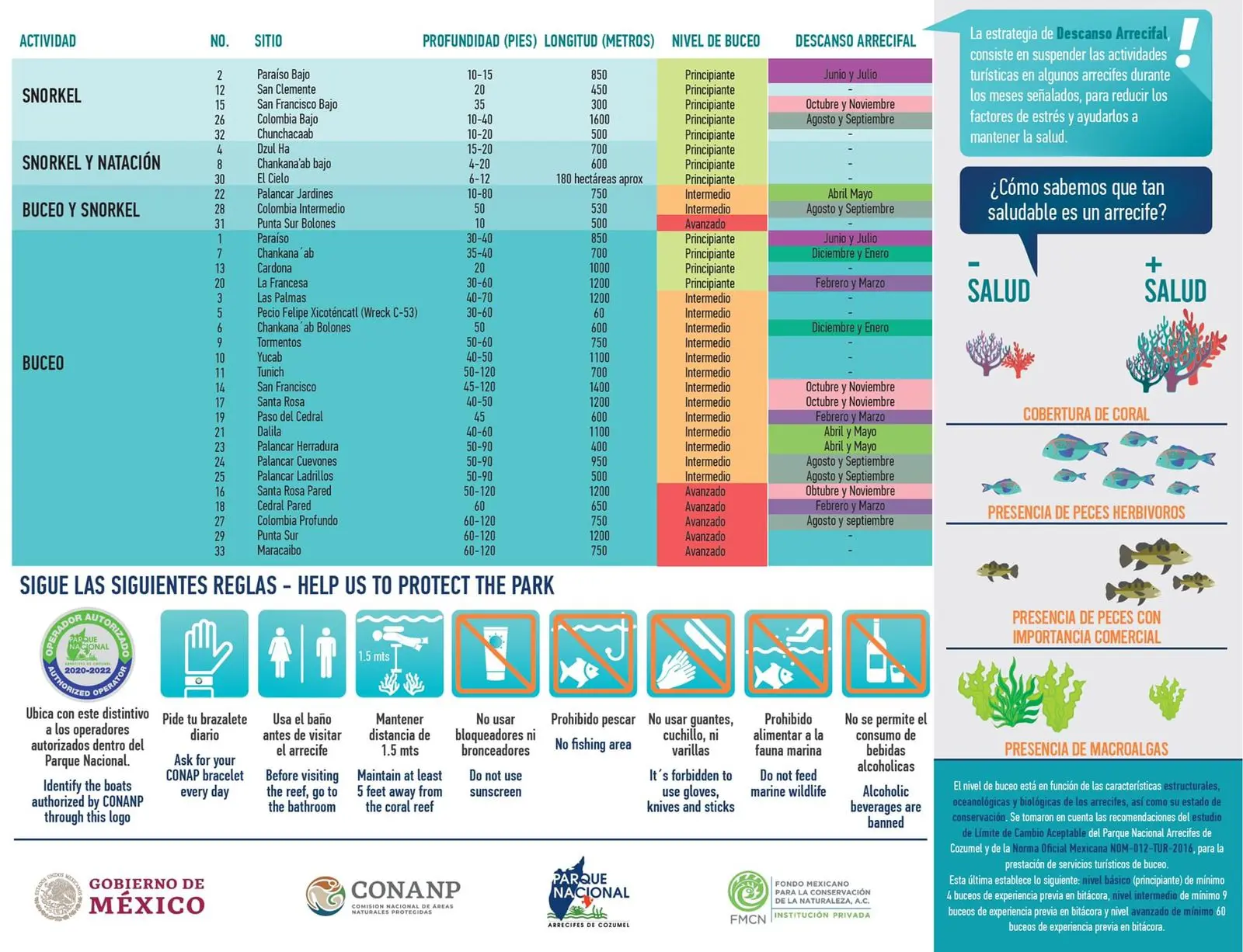
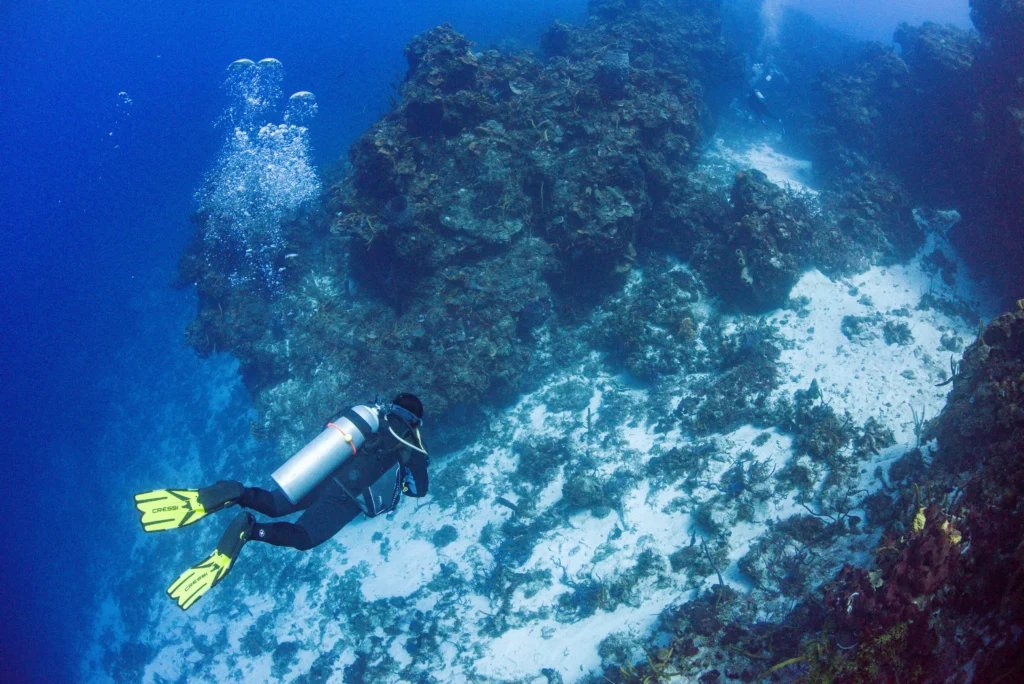
Cozumel Island (Quintana Roo, Mexico) is unique for both its natural beauty and conservation credentials: